 dark web market supply
1 day ago in Business Services, Insurance Services, Other Services
ハイオーソリティ ソーシャルブックマーク サイト for 日本 SEO in 2026 - A2Bookmarks Japan
A2Bookmarks Japanは、日本のユーザーにとって最高のソーシャルブックマークサイトです。当サイトは、日本のための主要なソーシャルブックマークサイトであり、お気に入りのウェブページを簡単に保存・整理・共有でき、日本語コンテンツに特化した検索と発見が可能です。個人の方にはブラウザのブックマークをクラウドで管理できる利便性を、企業の方にはオンラインでの存在感を高めコンテンツを効果的に拡散する機能を提供します。2026年に向けた日本の主要なソーシャルブックマークサイトとして、業界別のトレンド情報や人気の日本語サイトを簡単に発見できるほか、同じ趣味や関心を持つユーザーとつながることで、新しい情報源を見つけることができます。日本のソーシャルブックマークサイトの中でも、A2Bookmarks Japanは、日本語での情報収集と管理をよりスマートにする、最も信頼できるソーシャルブックマークサービスです。
What Are the Security Features Found in Modern Paper Money?
dark web market supply
1 day ago in Business Services, Insurance Services, Other Services
Did you know that a standard banknote is not actually made of paper? Many global currencies use a blend of cotton and linen to ensure the bills survive washing machines and constant handling – this specific material choice is the first line of defense against illegal replication. Because authentic currency has a distinct physical composition, it feels different from the wood pulp paper found in home printers or office supplies.
Government agencies spend decades developing ways to stay ahead of criminals. They integrate physical, chemical and digital safeguards into every bill. Understanding these layers helps you verify the cash in your wallet quickly. You can learn more about the evolution of these defenses – researching counterfeits money and the history of treasury protections.
The Unique Texture of Legal Tender
Run your fingernail across the portrait on a fresh bill – You should feel raised ridges known as intaglio printing – this process uses massive pressure to press ink onto the surface, creating a texture that is difficult for standard scanners to mimic. Modern bills often feature the raised areas on the edges or the large denominations to help visually impaired individuals identify the value.
The material itself is durable and slightly rough – Many fake notes feel smooth, waxy or excessively thin. While some high quality replicas exist, the “snap” of a real bill is hard to reproduce. If you are curious about high end copies, you can read about the most realistic prop money that is actually legal to see how they differ from the real thing.
Visual Security Elements in Sunlight
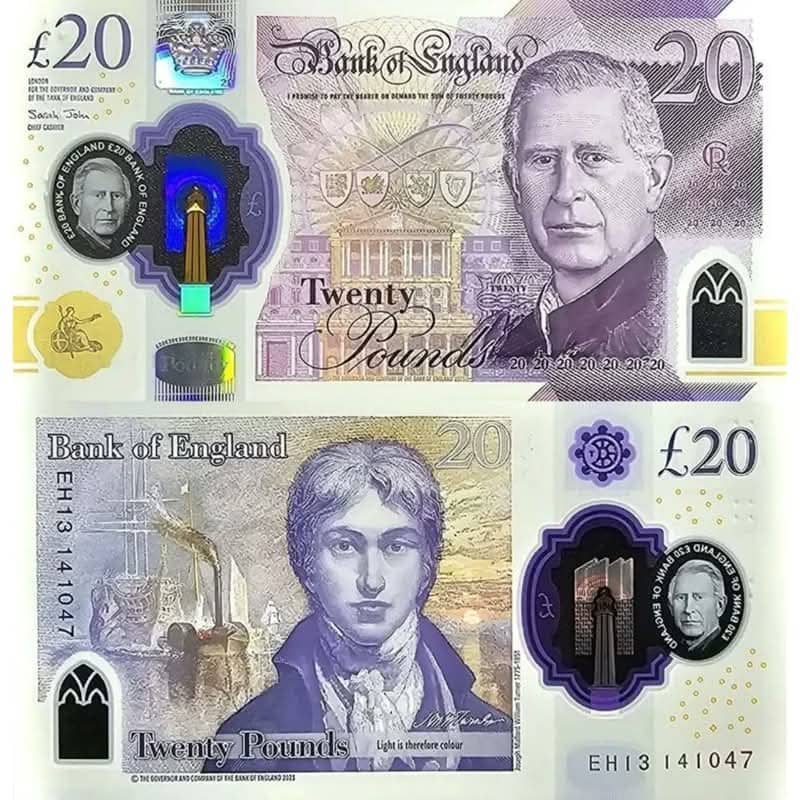
Holding a banknote up to a light source reveals hidden features buried inside the layers. The most famous is the watermark, which is a faint image of the person featured on the bill – this image is not printed on top – it is part of the paper fibers. You should see it from both sides of the note clearly.
Security threads are another vital visual check – These thin vertical ribbons are embedded within the bill. On many modern notes, these threads glow a specific color when placed under ultraviolet light. As an example, a US hundred dollar bill features a blue 3D security ribbon that moves when you tilt the note.
Hidden Details & Microprinting
Modern money is full of tiny secrets – Microprinting refers to text that is so small it looks like a solid line to the naked eye. You usually need a magnifying glass to read it. Authentic bills place this text in unexpected areas, like around the borders or inside the portrait is clothing.
Common places to find microprinting
- Around the edges of the central portrait.
- Inside the numerical denominations in the corners.
- Along the security threads or specific borders.
Standard home printers are unable to produce such sharp, tiny letters. The text often appears as a blurry or broken line on a fake bill – this is one of the most reliable ways to verify authenticity without expensive tools. Learning how to tell if a 100 bill is fake often involves checking these microscopic details first.
Color-Shifting Ink Technology
Look at the large number in the bottom right corner of a modern note. When you tilt the bill back and forth, the color of the ink should change – this effect is created using optically variable ink, which contains tiny flakes that reflect light differently depending on the angle. Many currencies shift from copper to green or green to black.
Criminals find this ink very difficult to acquire and apply. They often try to use glitter or metallic paint to simulate the effect but the do not change color smoothly. A genuine bill shows a distinct, clean transition – this technology is a cornerstone of protecting high value notes from simple photocopiers.
Spotting Dangerous Imitations
Even with all these features, some sophisticated fakes still enter circulation. It is important to stay alert and use multiple checks rather than relying on just one feature. Relying only on a “counterfeit pen” is risky because those pens only detect the starch in standard paper, which clever criminals can bypass with chemical treatments.
If you handle cash frequently, you should familiarize yourself with undetectable counterfeit banknotes to understand the latest tricks. Always check the watermark, the thread and the ink shift together. If one of these feels or looks wrong, the bill is likely a fake.
FAQ
Is a counterfeit detector pen 100 % accurate?
No, the pens only react to the starch present in wood based paper. If a criminal uses “bleached” paper from a lower denomination bill or a specific linen based material, the pen will show a false positive for a real bill.
What should I do if I receive a fake bill?
You should not try to spend it, as passing counterfeit money is a serious crime. Contact your local police department or the secret service to report where you received it.
Do all denominations have the same security features?
Usually, smaller bills like one or five dollar notes have fewer features because they are less profitable to forge. Larger bills contain the most advanced technologies, like 3D ribbons and complex color shifting ink.
Can I wash my money if it gets dirty?
While the cotton linen blend is durable and can survive a trip through the laundry, you should avoid using harsh chemicals like bleach – these chemicals can damage the security fibers and make the bill look suspicious to bank scanners.
voters
Report Story 
Related Stories











Recent Stories